
The Condo Above You: Leaks Between Units
Unit owners, HOAs and drying a shared ceiling.
KENT, WA: VALLEY TO EAST HILL
A ring on a West Hill ceiling about the size of a dinner plate. Carpet in an East Hill split-level soaked through to the pad. Water dripping into a condo kitchen from the bathroom one floor up. However big it is, the first step is the same: (253) 322-1508.
Most water damage in a Kent home is one of four sizes, and the size decides the job. A slow drip means opening and drying one patch of ceiling. A wet floor means pulling water out of carpet, pad and subfloor. Standing water across a lower level means pumping it out, then days of drying with fans and dehumidifiers before anything is rebuilt. Water that has reached the unit below brings a second household, and often an HOA, into it. For water damage restoration anywhere in Kent, call (253) 322-1508.
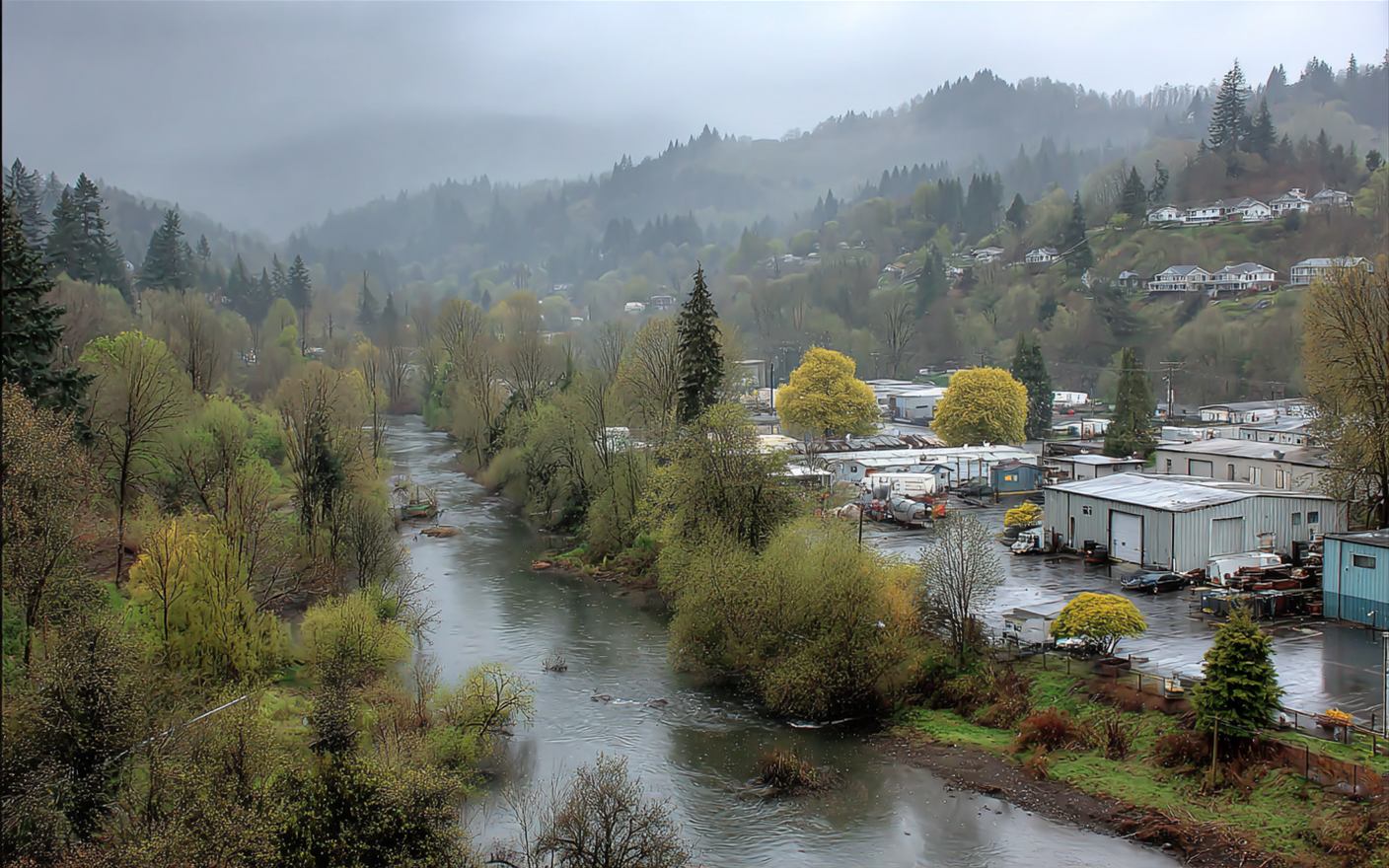
Kent splits into three parts, and each one gets wet differently. The city sits in the Green River valley with West Hill rising on one side and East Hill on the other. Downtown and the old town grew on the valley floor; most of the houses went up on the two hills from the 1960s on. About 133,000 people live here, which makes Kent the largest city in South King County, and a little over half of the homes are owned by the people living in them.
Condos and apartments are a big share of the calls. Kent has long rows of townhomes, condo buildings and garden apartments along Pacific Highway on West Hill and along the main roads on East Hill. In a building with units stacked on top of each other, one failed toilet seal or washer hose turns into two or three ceilings. That's why searches here so often ask about water coming from the unit above.
What this site is. Kent Water Damage Restoration is a website and a phone number. When you call, an independent restoration company that works in Kent answers. It looks at the damage, explains the work and sets its own price. This site doesn't send crews or do the work itself.
Find the size that matches what you're looking at. Each one says what it usually means behind the surface.
A tan ring overhead, a bubble in the paint, a drip that comes back after every shower. The visible mark is small, but by the time it shows, the water has usually soaked insulation and run along a joist for days. A restoration company finds the wet edges with a meter, opens only what has to come out, and dries the cavity before it's patched. Stain the size of a plate, or bigger? (253) 322-1508. Ceiling leaks and water stains
A kitchen, a bathroom or one bedroom where the floor took on water. Carpet can look dry on top while the pad underneath holds gallons, and hardwood or laminate starts to swell at the seams within a day. The question is what's under the surface and whether it can be dried in place. Floor gone soft or cupped? (253) 322-1508. Floors and subfloors
Water you can splash through, or a wet line that runs from one room into the hallway and the next. This size needs extraction equipment first, then days of measured drying. Lower levels of split-levels and basements on the hills land here most often. Bigger than a mop job? (253) 322-1508. Water extraction and cleanup · Flooded basements
The water has gone through the floor and come out in someone else's ceiling. Two homes, sometimes three, plus an HOA or a landlord. Drying a shared ceiling and wall cavity takes coordination as much as equipment. Leak from the unit upstairs? (253) 322-1508. Condo and apartment leaks
Where a house sits in Kent says a lot about how water gets in.
| Part of Kent | Most houses built | The ground | Where water usually shows up |
|---|---|---|---|
| The Valley floor | early 1900s to today, around downtown | flat, low, close to the river | slab floors, older plumbing in older houses, groundwater after long rains |
| West Hill | 1950s–1980s houses, newer condos and apartments | slopes down toward the valley and toward I-5 | lower levels on sloped lots, ceilings in stacked units |
| East Hill | 1960s–2000s subdivisions, lakeside lots | broad plateau with lakes and creeks | split-level and tri-level lower floors, original plumbing and water heaters, lakefront lots |
More on lakefront lots: Living on a lakeside lot. More on the houses from those decades: East Hill's 1960s–80s houses.
Three things matter most while you wait:
If you rent, tell the landlord or property manager in writing, with the date and your photos. They usually arrange the work.
Water in several places, or a house that needs everything from extraction to new drywall. Mitigation stops and dries it; restoration rebuilds it. From the first drip to the last repair: (253) 322-1508. Restoration and mitigation
A stain, a drip, a bulge. Usually a bathroom, a supply line or a roof valley above it. Stain the size of a plate, or bigger? (253) 322-1508. Ceiling leaks and water stains
Standing water, soaked carpet and pad, a flooded laundry room. Extraction first, drying right after. Bigger than a mop job? (253) 322-1508. Water extraction and cleanup
Water at the wall-floor joint, at a window well, or across a finished lower floor. Basement took on water? (253) 322-1508. Flooded basements and lower levels
Cupped hardwood, swollen laminate, a soft spot underfoot. The subfloor decides what can be saved. Floor gone soft or cupped? (253) 322-1508. Floors and subfloors
Water from the condo or apartment above, or into the one below. Leak from the unit upstairs? (253) 322-1508. Condo and apartment leaks
The Valley floor
West Hill
East Hill
Beyond Kent
Restoration companies plan a water job by its size, so it helps to describe yours that way when you call. How many rooms? Which floor? Is the water still coming, or has it stopped? Is it clean water from a supply line, or something else? Has it reached a ceiling below? A few plain answers let the company bring the right equipment the first time.
Size also explains the bill. A single ceiling patch and a three-room lower level are different jobs, with different equipment and different numbers of days on site. Prices are between you and the company you hire. Ask it to put the scope in writing: rooms, materials coming out, how dry is "dry", and what gets rebuilt.
Small jobs don't stay small on their own. Water in a wall or ceiling keeps spreading along studs and joists, and drywall and particleboard keep soaking it up. A stain that's been growing for a week is usually bigger inside than it looks. That's the main reason to have it measured rather than painted over.
Look at where the stain sits and when it grows. A stain directly under a bathroom that spreads after showers or flushes points to the bathroom above. A stain near an outside wall that grows during storms points to the roof or a window. A stain that grows no matter what, often near a light fixture, can be a supply line inside the ceiling. A restoration company confirms it with a moisture meter before opening anything.
Stop the water if you can reach a valve, then tell the upstairs owner or tenant and the HOA or building manager right away, in writing if you can. Take photos of your ceiling and anything damaged. Your own insurer and the HOA's master policy may both be involved, so keep notes of every conversation.
Often, yes. The size of the stain is not the size of the wet area. A plate-sized stain can sit under a soaked bay of insulation and a wet joist, and painting over it seals the water in. Having it measured costs little next to opening a ceiling twice.
Unit owners, HOAs and drying a shared ceiling.
Older textured ceilings, and why testing comes before scraping.
The thin wet line after weeks of rain.

